Feeding Patterns
feeding patterns
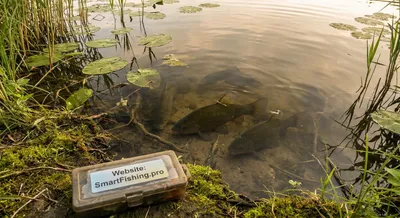
June Tench Behavior: Post-Spawn Patterns and Feeding Windows
Tench spawning is closely tied to water temperature. Most sources agree that tench need fairly warm water (roughly 18–22 °C) to begin spawning. For...
Feeding Patterns
Feeding patterns describe when, how often, and what animals choose to eat. For fish and other wildlife, these rhythms can follow daily cycles, seasonal changes, or stages of life like growth and reproduction. Factors such as water temperature, daylight, food supply, and competition influence when and how animals feed. Some species are most active at dawn and dusk, others feed by night, and some prefer the middle of the day. Feeding patterns also include food preferences, from tiny plankton and insects to larger prey. Understanding these rhythms helps people predict when animals are most likely to be searching for food, which is useful for managing fisheries, planning conservation efforts, and operating fish farms. Recreational fishers can use feeding clues to choose the best baits and times to fish. Scientists track changes in feeding patterns to detect shifts in ecosystems caused by habitat change, pollution, or climate change.
Get New Fishing Research & Podcast Episodes
Subscribe to receive new research updates and podcast episodes about freshwater fishing, lake fishing, fish species, seasonal patterns, fishing tactics, bait, lures, rigs, and practical angling strategy.