Fish Behavior
fish behavior
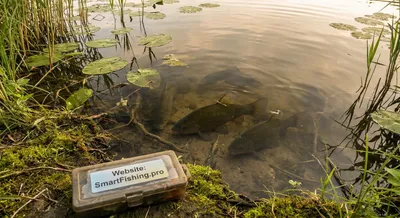
June Tench Behavior: Post-Spawn Patterns and Feeding Windows
Tench spawning is closely tied to water temperature. Most sources agree that tench need fairly warm water (roughly 18–22 °C) to begin spawning. For...
Fish Behavior
Fish behavior refers to the ways fish act and interact in their watery world. This includes how they swim, where they choose to live, how they find and eat food, and how they reproduce. It also covers social actions such as schooling, defending territory, and mating displays. Their actions can change with water temperature, light levels, seasons, and the presence of predators or mates. Some behaviors are instinctive, while others can be learned through experience. Studying these behaviors helps scientists understand how ecosystems function and how different species survive and reproduce. For people who keep fish, manage fisheries, or care for rivers and lakes, knowing how fish behave guides better care and habitat design. Anglers and wildlife watchers use behavioral clues to find fish and predict when they will be active. Recognizing normal and abnormal behaviors can also reveal signs of stress, disease, or environmental problems early on.
Get New Fishing Research & Podcast Episodes
Subscribe to receive new research updates and podcast episodes about freshwater fishing, lake fishing, fish species, seasonal patterns, fishing tactics, bait, lures, rigs, and practical angling strategy.