Bream Avoidance
bream avoidance
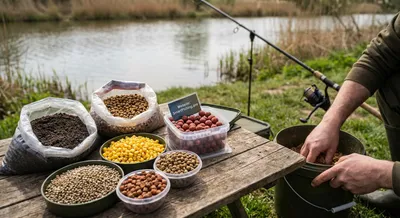
Groundbait and Particle Strategies to Draw Tench Without Inviting Bream
For example, coarse-fishing experts recommend fine groundbait with minimal whole particles, since too many freebies can distract tench (). One...
Bream Avoidance
Bream avoidance describes practical steps anglers take to prevent bream from taking over a swim when they want to catch other species. Bream are often large and voracious, so they can quickly find and eat feed, making it hard for more selective fish to get a chance. To avoid them, anglers change the type, size, and presentation of their bait—using particles or hook baits that target species prefer but bream tend to ignore. They also adjust feeding patterns and placement, using tiny regular feeds, distant micro-feeds, or placing baits at a specific depth that suits the target fish more than bream. Gear choices like smaller hooks, lighter lines, or faster rigs make it easier to present baits naturally to shy species while making it harder for bream to dominate. Timing plays a role too; fishing when bream are less active or using feeding approaches that favor your desired catch can shift the balance. Bream avoidance matters because it improves your chances of catching the species you want, reduces wasted bait and effort, and limits accidental catches of crowded fish. Practicing these strategies can make sessions calmer and more productive for anglers targeting different fish.
Get New Fishing Research & Podcast Episodes
Subscribe to receive new research updates and podcast episodes about freshwater fishing, lake fishing, fish species, seasonal patterns, fishing tactics, bait, lures, rigs, and practical angling strategy.