Fishing Data Privacy
fishing data privacy
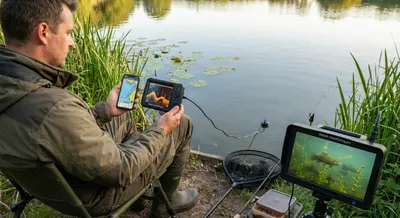
Using Tech in June Tench Fishing: Sonar, Mapping Apps, and Underwater Cameras
However, we must use tech carefully. Tench prefer quiet, calm waters with weeds () (). They do not like loud boats or crowds (). Studies show boat...
Fishing Data Privacy
Fishing data privacy refers to the protection of information collected about anglers, their trips, and the places they fish. This information can include GPS tracks, favorite spots, catch records, photos, device logs, and personal account details. Many modern tools and apps collect and store this data to offer features like maps, sonar records, and social sharing. But if not handled carefully, that data can reveal sensitive locations, lead to overcrowding, or be used for unwanted marketing. There is also a personal safety risk if exact locations are shared publicly or if account access is compromised. Privacy protections include using strong passwords, reviewing app permissions, turning off precise location sharing, and checking privacy settings. Some anglers choose to keep records private, anonymize them, or share only summaries instead of exact coordinates. When companies collect data, it helps to read their policies and to understand how long data is stored and whether it is shared with third parties. Fishing data privacy matters because it affects conservation, the rights of local communities, and the long-term health of fishing spots. Good privacy practices help prevent misuse of information, protect fragile ecosystems, and keep fishing experiences personal and safe. Balancing useful features with thoughtful data handling makes modern tools valuable without endangering what's being enjoyed.
Get New Fishing Research & Podcast Episodes
Subscribe to receive new research updates and podcast episodes about freshwater fishing, lake fishing, fish species, seasonal patterns, fishing tactics, bait, lures, rigs, and practical angling strategy.