Fishing Ethics
fishing ethics
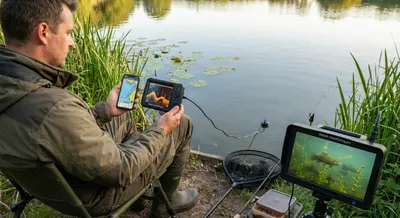
Using Tech in June Tench Fishing: Sonar, Mapping Apps, and Underwater Cameras
However, we must use tech carefully. Tench prefer quiet, calm waters with weeds () (). They do not like loud boats or crowds (). Studies show boat...
Fishing Ethics
Fishing ethics are the set of principles and behaviors that guide how people fish in a way that is responsible and respectful. They cover how you treat the fish, the water, other anglers, and the environment. This includes following laws like size and catch limits, using humane handling techniques, and avoiding damage to habitats. Practices such as catch-and-release, proper release methods, and choosing the right gear all fit under these guidelines. Ethical anglers also take care not to spread invasive species, to pack out litter, and to respect private property and public access rules. Being honest about your catches and reporting data accurately supports research and management efforts. Fishing ethics matter because they help keep fish populations healthy and ecosystems balanced for future generations. They also reduce conflicts between anglers and protect sensitive places that could be harmed by overuse. Following good practices helps preserve fishing as an enjoyable pastime and ensures fairness for everyone. Ultimately, ethical fishing is about combining enjoyment with stewardship so you can fish today and pass it on tomorrow.
Get New Fishing Research & Podcast Episodes
Subscribe to receive new research updates and podcast episodes about freshwater fishing, lake fishing, fish species, seasonal patterns, fishing tactics, bait, lures, rigs, and practical angling strategy.