Fish Feeding
fish feeding
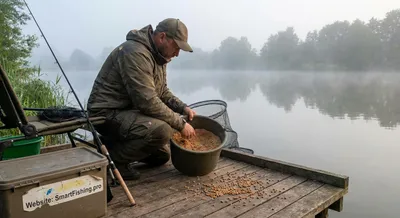
Prebaiting Campaigns for June Tench: Frequency, Quantity, and ROI
Heavy One-Off: A large quantity of bait is thrown in at once (for example, several kg at the start). This can instantly attract fish, especially if...
Fish Feeding
Fish feeding is the practice of providing food to fish, either in the wild, in ponds, or in tanks, to influence their behavior or support their growth. It can mean leaving out pellets or natural foods at a regular spot, adding feed in aquaculture, or throwing crumbs to carp as part of recreational angling. When you feed fish you are changing their normal feeding patterns and often concentrating them in one place. That concentration makes them easier to find or monitor, which is useful for anglers, hobbyists, and scientists. The type of food, how much you give, and how often you feed all change the results — different species prefer different things and too much food can be harmful. Timing matters too, since fish are more active at certain times of day and during different seasons. Why this matters is that feeding affects fish health, water quality, and local ecosystems. Regular feeding can speed growth in farmed fish but can also increase waste, fuel algae blooms, or spread disease if not managed carefully. It can also change natural behavior so fish become less wary of people or more dependent on supplied food. Responsible feeding practices balance the benefits of attracting and nourishing fish with the need to protect their environment and long-term welfare.
Get New Fishing Research & Podcast Episodes
Subscribe to receive new research updates and podcast episodes about freshwater fishing, lake fishing, fish species, seasonal patterns, fishing tactics, bait, lures, rigs, and practical angling strategy.