Fishing Bait
fishing bait
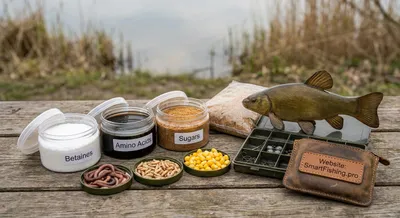
Micronutrients and Attractors: Betaines, Amino Acids, and Sugars for Tench
Carrier Mediums: Attractants must be delivered in a way fish can encounter them. Common carriers include: Pellets or boilies: Mix attractants into...
Fishing Bait
Fishing bait is any material used to attract fish so they come close enough to be caught, and it can include natural items like worms, small fish, and crustaceans or manufactured lures and prepared mixtures. Bait works by appealing to fish senses—smell, taste, sight, and sometimes movement—so different species respond to different baits and presentations. Choosing the right bait depends on the target species, water temperature, season, and local conditions; what works for one place or fish may fail in another. The form of the bait also matters: live or soft baits often release strong chemical cues, while hard or artificial baits can imitate movement or flash. Effective bait increases your chances of a bite, helps you target specific fish, and makes fishing more efficient and enjoyable. Bait can also influence fish welfare and the environment, so responsible use includes following local rules, avoiding invasive species, and handling live bait carefully. For anglers, learning how to present the bait—depth, speed, and placement—can be as important as what bait you use. Whether you’re using a simple worm on a hook or a complex manufactured mixture, bait is the basic tool that creates the interaction between angler and fish.
Get New Fishing Research & Podcast Episodes
Subscribe to receive new research updates and podcast episodes about freshwater fishing, lake fishing, fish species, seasonal patterns, fishing tactics, bait, lures, rigs, and practical angling strategy.